Why is Poland attractive for buying real estate?
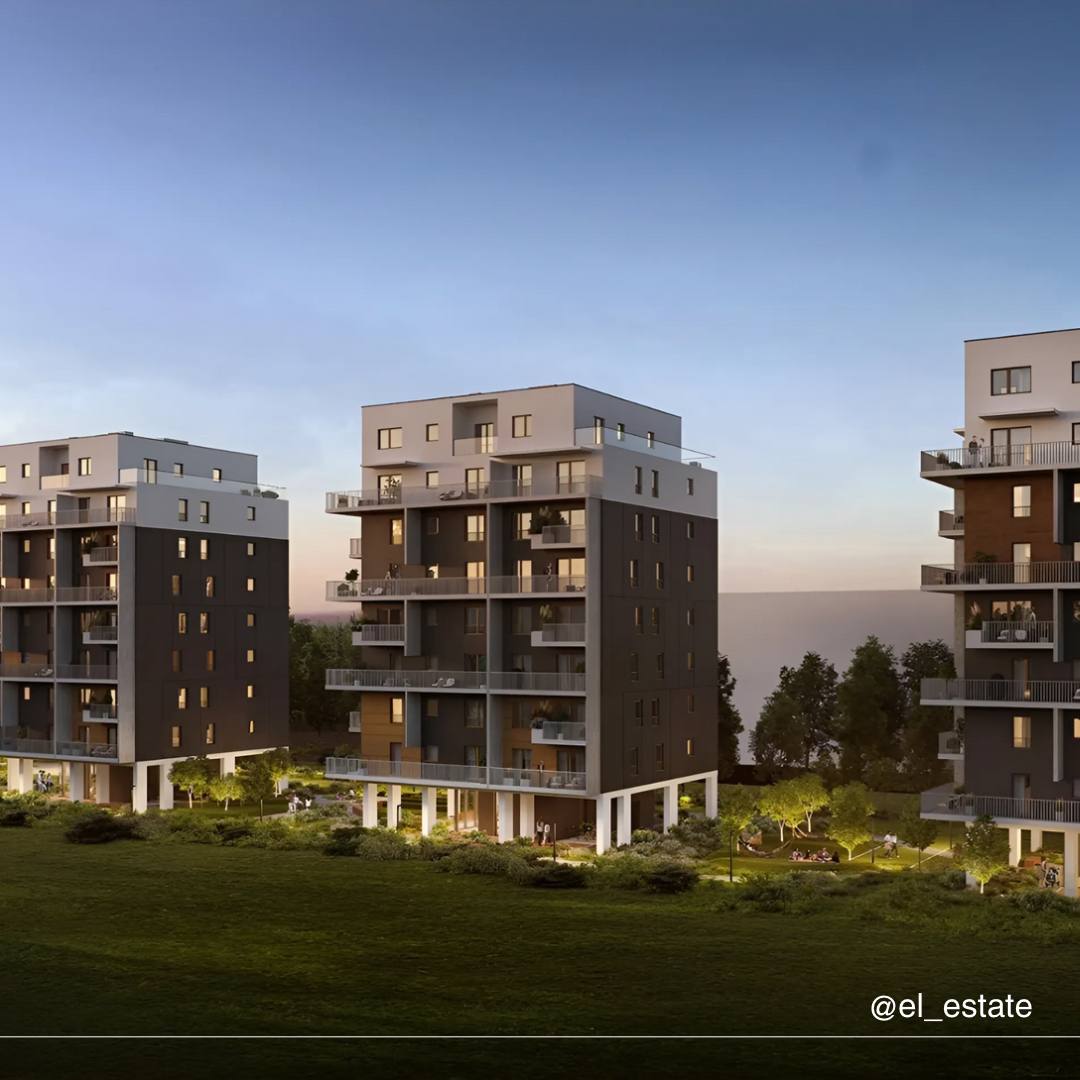
Primary or secondary housing market?
Making a decision to buy real estate in Poland involves choosing between the primary and secondary markets. Both options have their own unique characteristics that can influence your final decision.
Primary housing market
Benefits:
Modernity and innovation: New buildings are provided with modern layouts, technologies and materials. This not only ensures comfort and ease of use, but also contributes to greater energy efficiency in housing.
Developer Guarantee: A developer usually provides guarantees for new housing that may cover defects or deficiencies for a certain period.
The ability to personalize: The buyer has the opportunity to influence the decoration and other aspects of their apartment or house under construction.
Disadvantages:
Risk of delays: There is a possibility of delays in commissioning the facility for several months, which may affect the buyer's plans.
Secondary housing market
Benefits:
Ready to move in: Buying on the secondary market means that the property is ready to move in, which is ideal for those looking for a quick solution to their housing problem.
Location: Secondary properties are often located in areas with already developed infrastructure, close to educational, medical facilities, shops and other amenities.
Choice: The secondary market offers a wide range of properties with various characteristics and price categories.
Disadvantages:
Renovation needs: Older buildings may require additional investment in renovations and renovations.
Energy efficiency: Secondary homes may be less efficient in terms of capturing heat and using energy than new buildings, leading to higher utility bills.
Legal aspects: When buying a secondary property, it is important to carefully check the legal purity of the property, the ownership history and the absence of encumbrances, which may require additional legal fees.
Investing in real estate in Poland: new buildings or the secondary market?
When it comes to investing in real estate in Poland, one of the most important decisions is to choose between new buildings and properties on the secondary market. Both areas have their own advantages and features that investors should consider in order to maximize potential income and minimize risks.
New buildings as an investment asset
Benefits:
- Modernity: New buildings comply with the latest trends in architecture and layout, offering modern amenities and energy-efficient solutions.
- Guarantees from the developer: Investing in new buildings is often accompanied by the developer's warranty obligations, which reduces risks for investors.
- High rental demand: New apartments and houses attract tenants who are looking for modern housing with a high level of comfort.
- Tax incentives: Investors can take advantage of tax breaks when buying new properties in some cases.
The secondary market as an investment opportunity
Benefits:
- Choice of locations: The secondary market offers a wide range of locations, including central districts of cities with developed infrastructure.
- Instant investment: Buying a secondary property allows investors to quickly start generating rental income without waiting for construction to be completed.
- Value growth potential: In some cases, secondary properties in historic or prestigious areas may show higher value growth potential.
Why is it worth buying real estate in Poland on the secondary market?
Buy property on the secondary market in Poland, it offers potential investors and buyers a number of advantages that should be considered when deciding on investing or purchasing a home. Let's consider several key aspects that make the secondary market an attractive option.
Location and infrastructure
One of the main advantages of real estate on the secondary market is its location. Such facilities are often located in historical city centers, near important transport hubs, or in already well-developed areas with developed infrastructure. This not only makes life more convenient through easy access to social and commercial services, but can also contribute to the growth of property values in the future.
Ready to move in
Real estate on the secondary market has already been built and is ready for occupancy. This is ideal for buyers looking for housing for immediate use or looking to start generating rental income quickly. Not having to wait for a new building to be completed can be a significant plus for many investors.
Historical and cultural value
Some properties on the secondary market have unique historical or architectural characteristics that not only add to their charm, but can also increase their investment attractiveness. Housing in buildings that are part of historical heritage or in culturally rich neighborhoods can offer a unique living experience and outstanding rental opportunities.
Renovation potential
Although resale properties may require additional investments in renovations or renovations, this also gives buyers the opportunity to adapt their homes to their personal needs or create additional value through renovation. Investors willing to invest time and resources in renovating and upgrading can significantly increase the value of a property, making it more attractive for future resale or rent.
Accessibility
The secondary real estate market in Poland often offers more affordable prices than new buildings, especially in the case of properties that require renovation or renovation. This can be a deciding factor for investors with limited budgets or for those who are looking for profitable investment opportunities.
No risk of delayed commissioning
Unlike new buildings, where there is a risk of a delay in the delivery of the property, secondary real estate has already been built and is ready for use. This removes uncertainty and allows investors to plan their financial flows without the risk of unforeseen delays.
Wide range of properties
The secondary market offers a wide range of properties of different sizes, layouts and locations, opening up more opportunities for buyers to find the perfect option that meets all their requirements and desires.
Advantages and disadvantages of investing in real estate in Poland
Real estate investments in Poland attract both local and foreign investors, however, like any type of investment, they have their pros and cons.
Benefits:
- Stable economic growth: Poland demonstrates stable economic growth, creating favorable conditions for real estate investments.
- High liquidity in large cities: Real estate in large cities, especially in Warsaw, Krakow, Wroclaw and Gdansk, has high liquidity.
- Rental income potential: The increased demand for rental housing provides investors with a stable income.
- Favorable tax legislation: Poland offers relatively favourable tax conditions for real estate investors.
- Infrastructure development: Government investments in infrastructure development increase the attractiveness of real estate investments.
Disadvantages:
- Market fluctuations: The real estate market can be volatile and investments may not always produce the expected return.
- Language barrier and cultural differences: For foreign investors, the language barrier and ignorance of local realities can become an obstacle.
- Maintenance and renovation costs: Property owners should consider regular maintenance costs and potential repairs.
How can I pay for the purchase of real estate in Poland?
Payment for the purchase of real estate in Poland can be made in several ways, each of which has its own characteristics and requirements:
- Choosing a currency for payment: Although the main currency in Poland is the zloty (PLN), investors can pay in another currency, such as euros (EUR) or US dollars (USD), depending on the agreement with the seller.
- Bank transfer: One of the most common payment methods is bank transfer, which ensures the transaction is secure and the payment can be easily traced.
- Escrow account: For additional transaction security, an escrow account can be used, which is controlled by a third party (for example, a notary or law firm) and is paid to the seller only after all the terms of the transaction have been met.
- Mortgage loan: If the purchase is financed through a mortgage loan, the bank providing the loan usually pays directly to the seller after all necessary documents have been signed and the mortgage is processed. It is important to check loan terms and payment procedures with your bank.
5 reasons why you should live in Krakow
Krakow is one of the most charming cities in Poland and attracts people with its history, culture and rhythm of life. Here are five key reasons why you should consider Krakow as a place to live:
- Rich history and culture: Krakow is a city with a rich history and is considered the cultural capital of Poland. Known for its UNESCO World Heritage Old Town, Wawel Castle and its many museums, galleries and theatres, Krakow offers plenty of opportunities to dive into art and history.
- Live student life: Thanks to its many higher education institutions, including the Jagiellonian University, one of Europe's oldest, Krakow is renowned for its dynamic student life. The city offers a wide range of cultural events, festivals, cafés and clubs, making it an ideal destination for young people.
- Natural beauties and city parks: Despite its historicity and urbanization, Krakow also boasts wonderful green areas and parks, such as Plantation Park or Wola Forest, which offer rest and relaxation from the bustle of the city.
- High quality of life: Krakow is known for its high quality of life. With a well-developed infrastructure, affordable housing compared to other major European cities and a high level of public services, it offers a comfortable living environment for families and professionals alike.
- Job opportunities: Krakow is home to many international companies, especially in the IT and technology sectors, which provides a wide range of job opportunities. With sustained economic growth and investments in innovation, the city attracts professionals from around the world, offering competitive salaries and career opportunities.
5 reasons why you should live in Wroclaw
Wroclaw, one of the most picturesque cities in Poland, attracts with its unique atmosphere, history and culture. Here are five reasons why living in this city can be an experience like no other:
- History and architecture: Wroclaw has an exceptionally rich history, which is reflected in its architecture. The city is home to numerous historical monuments, including Market Square (Rynek) with its impressive City Hall and Tumski Island with its charming Cathedral. Walking through the streets of Wrocław is like watching live history, where each building tells its own story.
- A vibrant cultural scene: Wroclaw is known for its active cultural scene. The city regularly organizes festivals, concerts, exhibitions and other cultural events that will satisfy the taste of any resident or visitor to the city. Wroclaw was named the European Capital of Culture in 2016, which once again confirms its importance on the European cultural map.
- Well-developed infrastructure: The city boasts a highly developed infrastructure that provides a comfortable life for both students and families. The public transport system makes it easy to get to anywhere in the city, and the availability of parks, shops, schools and medical facilities makes everyday life convenient and carefree.
- Educational opportunities: Wroclaw is an educational center with numerous higher education institutions offering quality education in various fields. The University of Wroclaw and Wroclaw University of Technology are just two of the most prestigious educational institutions in the city, attracting students from all over the world.
- Friendly and open atmosphere: Wroclaw is famous for its friendly and open atmosphere. Locals are known for their hospitality and openness to foreigners, which makes it easier to adapt to a new place. The city's multi-ethnic community promotes cultural exchange and makes everyday life in Wroclaw a fascinating experience of discovery.
5 reasons why you should live in Warsaw
Warsaw, the capital of Poland, attracts with its dynamism and diversity. Here are five key reasons why you should choose Warsaw to live in:
- Economic opportunities: Warsaw is the economic heart of Poland and one of the most important business centers in Central Europe. The city offers a wide range of opportunities for professional development in various fields, including IT, finance, marketing, and many others. Many international companies and startups are headquartered here, paving the way for career growth and development.
- Cultural diversity: Warsaw is rich in cultural events and institutions such as theaters, museums, galleries and concert halls. The city comes alive with numerous festivals, fairs and other cultural events that reflect its rich history and current trends. Warsaw is a place where you can enjoy world classics and discover new art trends.
- Historical significance: Warsaw has a rich history that is reflected in the city's streets, buildings and monuments. From the reconstructed Old Town, part of the UNESCO World Heritage Site, to the numerous monuments and museums that tell the story of the Warsaw Uprising and other important events, the city keeps a memory of its past.
- Green spaces and recreation: Despite its large city character, Warsaw offers plenty of green areas for rest and relaxation. Laziensky Park, Warsaw Gardens, and the Vistula River are just some of the places where you can escape from the bustle of the city. For active recreation, there are also numerous bike paths, sports grounds and other recreational facilities.
- High quality of life: Warsaw offers a high standard of living, reflected in the quality of housing, well-developed infrastructure and a wide range of educational institutions. The city maintains quality standards in everything from medical care to the availability of public services. Residents can use modern shopping centers, restaurants, cafes, as well as high-quality educational programs for children and adults.
Interesting facts about real estate in Poland
Poland attracts not only tourists and students from all over the world, but also real estate investors. The country's real estate market is characterized by several interesting features:
- Steady price increases: Poland has seen a steady increase in property prices in recent years, especially in large cities such as Warsaw, Krakow, Wroclaw and Gdansk. This is due to economic growth, an increase in the average income level of the population and an increase in foreign investment.
- Demand for apartments for rent: With a large number of students and young professionals moving to cities for education or work, the demand for apartments for rent in Poland remains high. This creates favorable conditions for investing in residential real estate with a view to its subsequent rental.
- Foreigners can buy property: With some exceptions, foreigners are eligible to buy property in Poland, although a special permit may be required to buy land or real estate in certain regions.
- Historical sites: Poland has a large number of historic buildings and apartments, especially in the centers of old cities. The purchase and restoration of such real estate can be not only an investment, but also a way to preserve historical heritage.
- Energy efficiency: New building regulations in Poland focus on energy efficiency and environmental friendliness, which forces developers to invest in modern technologies and materials, thereby improving the quality of new housing.
- Development of microdistricts: New microdistricts with an integrated approach to planning are actively developing in large Polish cities, including residential complexes with a full range of infrastructure: shops, schools, kindergartens and recreation areas. This makes them attractive for family living and investment.
- High liquidity of real estate in large cities: Due to constant demand, real estate in large Polish cities is considered a highly liquid investment. Apartments and houses in such locations can be sold or rented quickly at competitive prices.
- Well-developed mortgage system: The mortgage lending system in Poland is well developed, offering buyers various options for financing the purchase of real estate at relatively low interest rates. This makes buying real estate affordable for a wide range of people.
- Tourist attraction: Cities such as Krakow, Gdansk and Wroclaw are popular tourist destinations, which increases the potential for short-term rental investments. Property owners can earn a high income by renting accommodation to tourists.
- Government support: The Polish government is implementing various support programs for first-time property buyers, including tax breaks and subsidies, which makes investing in Polish real estate even more attractive.
Real estate investment options in Poland
Investing in Polish real estate offers investors a variety of opportunities that can meet different investment strategies and goals. Here is a detailed overview of the main areas of investment:
Residential real estate
- Apartments and houses for rent: Investing in residential properties with a view to renting them out is a popular strategy that can provide investors with a stable income. Poland attracts investors with its constant demand for rental housing, especially in student cities and business centers.
Commercial property
- Office spaces: Investing in office properties can generate high rental returns, especially in business districts in large cities.
- Retail facilities: Investments in retail spaces such as stores or malls remain attractive due to stable demand.
- Warehouse and logistics complexes: With the growth of e-commerce, storage spaces are becoming particularly relevant and attractive for investors.
New buildings
- Investments in new buildings: Acquisition of real estate under construction with the subsequent purpose of renting or reselling it at a higher price. This allows investors to buy at a lower price than when the project is completed.
- Real estate development: For experienced investors who are willing to invest in land and develop their own residential or commercial projects, there are opportunities to implement ambitious projects with the potential for high returns.
What is flipping and why should you invest in it?
Real estate flipping is a strategy for buying properties and then quickly reselling them for a higher price in order to make a profit. This method often involves buying an undervalued property, renovating and upgrading it, which increases its value, and then selling it for a significantly higher price. Here are a few reasons why investing in flipping can be attractive:
Quick profit
- The main attraction of flipping lies in the ability to make a quick profit. Depending on market conditions and the efficiency of renovation, investors can see a significant increase in the value of real estate in a short time, which allows them to quickly return their investments and make a profit.
Improving real estate skills
- Flipping provides investors with an opportunity to improve their skills in property valuation, renovation, marketing and sales. This is an experience that can be useful in future investment projects or even in your own business.
Improvement of properties and neighborhoods
- Flipping can have a positive impact on the area, as renovated and updated homes can increase the overall appearance of the neighborhood and increase the value of properties in the county. This, in turn, could lead to a better community and more investment in the region.
Control over the investment
- Unlike investing in stocks or bonds, where market conditions determine return on investment, flipping gives investors greater control over the process and potential profits. The choice of real estate, the amount of repairs, the budget and the resale pricing strategy all depend on the investor's decisions.
Development of the real estate market
- Flipping can be especially profitable in regions with a growing real estate market, where demand for quality housing exceeds supply. Investors who are able to identify such trends and respond to them in a timely manner can reap significant returns on their flipping investments.
Flexibility in strategies
- Flipping allows investors to use a variety of strategies, depending on their goals, budget, and level of experience. Some may choose projects with minimal renovation costs, while others may undertake large-scale renovations to maximize profits.


.svg)
Take the first step now. Request a callback or a free consultation.
.svg)
.webp)


.webp)
.svg)
.svg)
.svg)